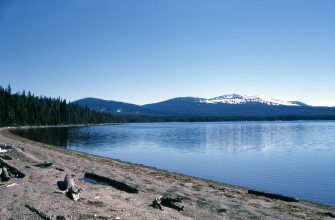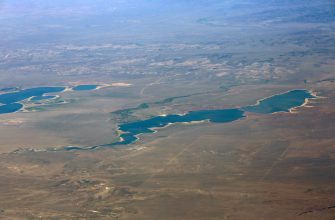
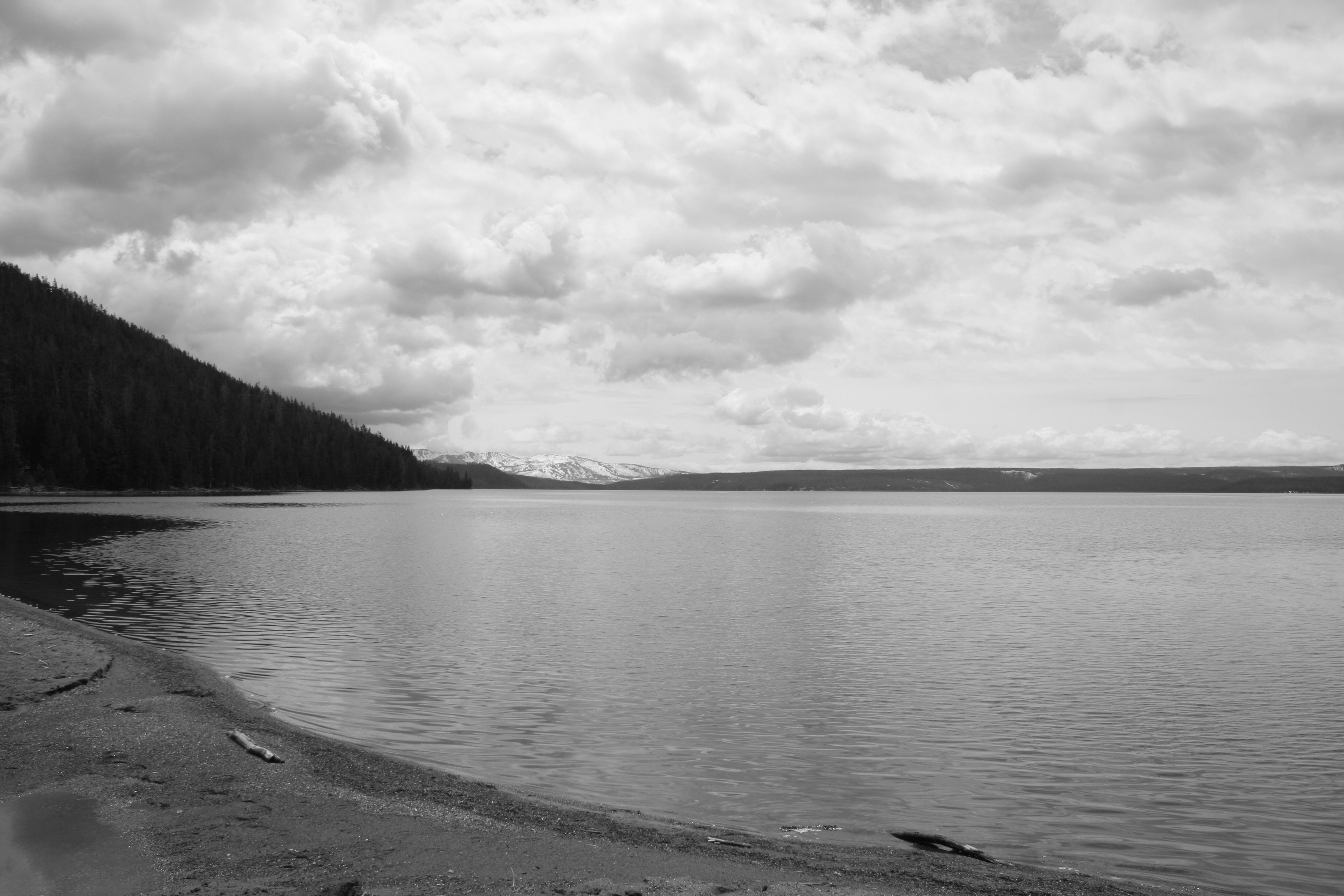
Shoshone Lake is one of the wildest lakes in the Lower 48 – the largest backcountry lake in the contiguous United States with no road access, hidden in the remote southern reaches of Yellowstone National Park. Reached only by paddle or on foot, ringed by forest and home to its own backcountry geyser basin, it’s a holy grail for wilderness canoeists and a place of profound quiet at the heart of America’s first national park.
This guide covers Shoshone Lake: how to reach it, the paddling and fishing, the geyser basin, and what to know. It’s part of our growing Wyoming Lakes Database.
- Shoshone Lake at a glance
- A true wilderness lake
- The Shoshone Geyser Basin
- Fishing and paddling
- Planning and safety
- Getting there and what’s nearby
- Know before you go
- Frequently asked questions
- How do you get to Shoshone Lake?
- What fish are in Shoshone Lake?
- Why is Shoshone Lake famous?
- Where is Shoshone Lake?
Shoshone Lake at a glance
- Surface area: ~8,050 acres – the largest backcountry (roadless) lake in the Lower 48
- Location: southern Yellowstone National Park, Teton County, Wyoming
- Access: only by canoe/kayak (via Lewis Lake & the Lewis River Channel) or by trail – no roads, no motors
- Top fish: brown trout, lake trout (no native fish – both were introduced historically)
A true wilderness lake
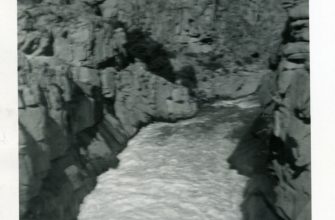
What makes Shoshone extraordinary is its roadless isolation. No motor of any kind is allowed, and no road touches it – the only ways in are to paddle across Lewis Lake and up the Lewis River Channel (often lining canoes through the shallow current), or to hike in on backcountry trails. The reward is solitude on a scale few lakes can offer: miles of wild shoreline, backcountry campsites, and the sounds of loons and wind instead of engines.
The Shoshone Geyser Basin
On the lake’s western shore lies the Shoshone Geyser Basin – one of the largest backcountry geyser basins in the world, with dozens of geysers, hot springs and fumaroles and almost no crowds. Reaching it on foot or by paddle-and-hike is a bucket-list experience for Yellowstone backcountry travelers, a chance to stand among geysers in near-total wilderness.
Fishing and paddling
Shoshone holds brown trout and lake trout (the lake had no native fish; both were introduced long ago), and the fishing can be excellent for those who make the journey. A Yellowstone National Park fishing permit is required – not a state license. Multi-day canoe and kayak trips, camping at designated backcountry sites, are the classic way to experience the lake, but the water is frigid and storms build fast – this is serious, self-reliant wilderness travel.
Planning and safety
A backcountry permit is required for camping, and paddling trips need careful planning. The cold water (hypothermia risk), sudden winds, the channel’s shallow current, and the remoteness all demand experience, proper gear and respect. This is grizzly country, too – carry bear spray and store food properly. Most trips launch from Lewis Lake.
Getting there and what’s nearby
Shoshone Lake is in the southern interior of Yellowstone National Park, accessed via Lewis Lake near the South Entrance road, about an hour from Jackson Lake and Grand Teton. Yellowstone Lake lies to the east.
Know before you go
- No roads, no motors: access only by paddle (via Lewis Lake/channel) or trail.
- Permits: a Yellowstone fishing permit and a backcountry camping permit are required.
- Wilderness skills: cold water, wind and remoteness demand experience and bear-country precautions.
Frequently asked questions
How do you get to Shoshone Lake?
Only by canoe or kayak – paddling across Lewis Lake and up the Lewis River Channel – or by hiking backcountry trails. No roads reach it and no motors are allowed.
What fish are in Shoshone Lake?
Brown trout and lake trout (both introduced; the lake had no native fish). A Yellowstone fishing permit is required.
Why is Shoshone Lake famous?
It’s the largest backcountry (roadless) lake in the Lower 48, with a major backcountry geyser basin – a premier wilderness paddling destination in Yellowstone.
Where is Shoshone Lake?
In the southern interior of Yellowstone National Park, Wyoming, reached via Lewis Lake near the South Entrance.
Related: explore more of the largest lakes in Wyoming, or head back to the Wyoming Lakes Database.
Explore more Wyoming lakes: the largest lakes in Wyoming and the deepest lakes in Wyoming.