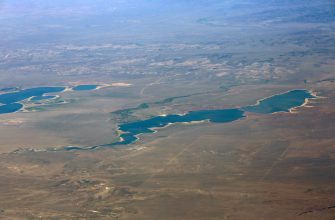
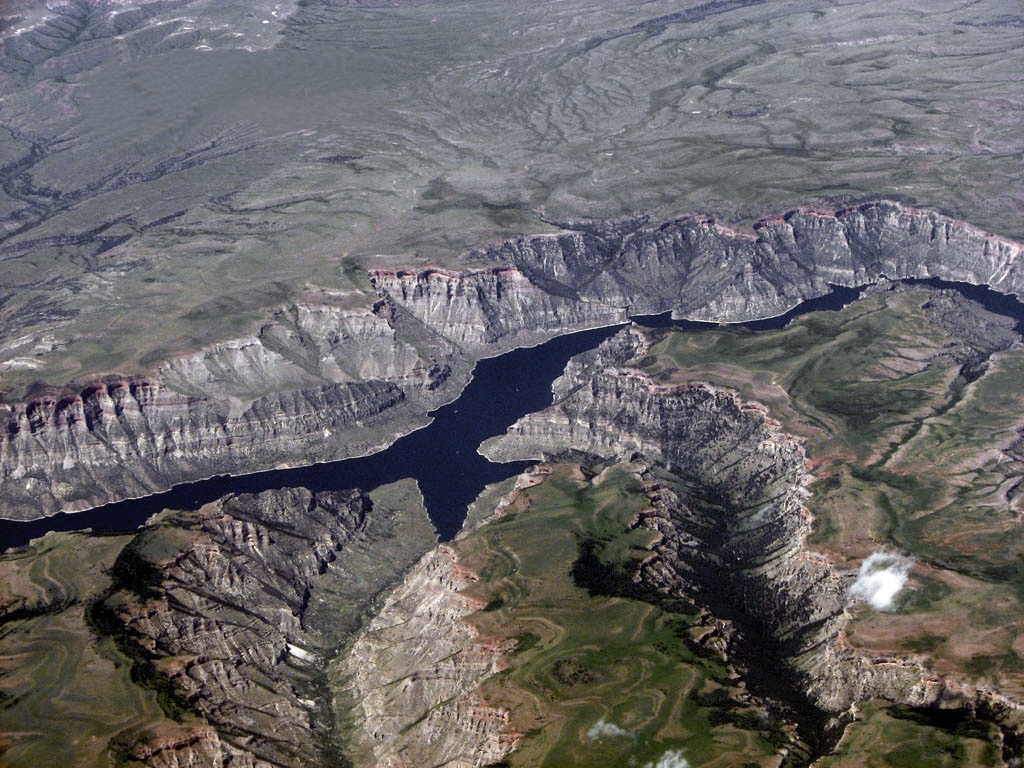
Bighorn Lake threads through one of the most spectacular canyons in the West – a 71-mile reservoir on the Bighorn River that carves between the towering walls of Bighorn Canyon on the Wyoming-Montana border. The heart of the Bighorn Canyon National Recreation Area, it pairs jaw-dropping red-and-tan rock scenery with good walleye and trout fishing, wild horses and bighorn sheep on its rims, and quiet, remote water far from the crowds.
This guide covers the Wyoming end of Bighorn Lake: the canyon scenery, the fishing, the recreation, and access. It’s part of our growing Wyoming Lakes Database.
Bighorn Lake at a glance
- Length: about 71 miles, spanning Wyoming and Montana through Bighorn Canyon
- Location: Big Horn County, north-central Wyoming, into Montana (near Lovell)
- Built: Yellowtail Dam (in Montana), completed 1966; the core of Bighorn Canyon NRA
- Top fish: walleye, sauger, brown & rainbow trout, yellow perch, crappie
Bighorn Canyon
The lake’s defining feature is the canyon. For mile after mile, Bighorn Canyon walls rise as much as 1,000 feet straight from the water in bands of red, tan and gray rock – a landscape so dramatic that the views from the Devil Canyon Overlook rank among the most stunning in Wyoming. The recreation area also protects the Pryor Mountain Wild Horse Range, where free-roaming mustangs graze the heights, and bighorn sheep cling to the cliffs. It’s a place of big silence and enormous scenery.
Fishing Bighorn Lake
The reservoir offers a varied fishery: walleye and sauger are the main draws, with brown and rainbow trout, yellow perch and crappie as well. A Wyoming fishing license covers the WY waters (note the WY/MT boundary). The famous Bighorn River tailwater below Yellowtail Dam in Montana is a world-renowned trout stream, but the lake itself rewards anglers who explore its canyon coves and the broader southern end near Horseshoe Bend.
Recreation and access
On the Wyoming side, the Horseshoe Bend area near Lovell offers a marina, boat ramp, campground and beach – the main hub for boating into the canyon. Powerboating, kayaking and scenic touring are the big draws, and a boat is the only way to experience the heart of the canyon. The Bighorn Canyon Visitor Center in Lovell is a great first stop for maps, conditions and history.
Getting there and what’s nearby
The Wyoming end of Bighorn Lake is near Lovell in north-central Wyoming, off US-14A/WY-37, about 45 minutes east of Cody. The Pryor Mountains, the Bighorn Basin and the Medicine Wheel high in the Bighorn Mountains are all in the region.
Know before you go
- Fishing license: a Wyoming license covers WY waters; note the Wyoming-Montana boundary.
- Remote canyon: services are limited – bring supplies, fuel and water.
- Best seasons: late spring through fall for boating and fishing; summer for the full canyon experience.
Frequently asked questions
What fish are in Bighorn Lake?
Walleye, sauger, brown and rainbow trout, yellow perch and crappie. The Bighorn River tailwater below the dam (in Montana) is a world-class trout stream.
Why is Bighorn Lake famous?
It runs through Bighorn Canyon, where walls rise up to 1,000 feet from the water – some of the most spectacular scenery in Wyoming – within the Bighorn Canyon National Recreation Area.
Where is Bighorn Lake?
In north-central Wyoming near Lovell (extending into Montana), about 45 minutes east of Cody.
Related: explore more of the largest lakes in Wyoming, or head back to the Wyoming Lakes Database.
Explore more Wyoming lakes: the largest lakes in Wyoming and the deepest lakes in Wyoming.